Work to Live, Live to Fish – A Versatile Embroidery Design
As an embroidery designer who’s spent years crafting and testing digital designs for real-world use, I’ve come across many sayings that resonate well with the handmade community. “Work to Live, Live to Fish” is one of those phrases that feels both nostalgic and timeless. When I first opened the digital embroidery file, I was immediately drawn to its bold layout and clean typography. It’s a design that speaks clearly without shouting — perfect for a range of projects from personalized gifts to small shop merchandise.
A Mood That Fits the Message
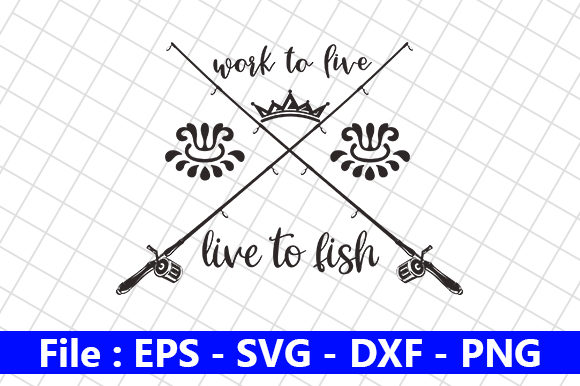
This machine embroidery design carries a laid-back yet determined vibe, which makes it ideal for folks who love fishing or live in areas where it’s a cultural staple. The font has enough character to stand out but remains legible, even at smaller sizes. The overall shape is rectangular with soft edges, making it easy to adapt into different formats like embroidered patches or applique work on tote bags. There are no intricate illustrations or tiny details, which means it won’t get lost in translation when stitched onto fabric.
The visual personality is straightforward — no unnecessary embellishments or distractions. This simplicity works in its favor because it can easily be customized with additional elements such as fish motifs, boat outlines, or local landmarks if you’re tailoring it for a specific client or region. The balance between white space and text ensures the message stays clear and focused.
Real-World Application: Tote Bag Project
Let’s imagine using this design on a custom tote bag. As someone who regularly creates products for Etsy sellers and boutique shops, I’d consider how the phrase looks in context. Stitched in satin stitch along the top of a canvas tote, the words pop nicely while maintaining a professional appearance. The moderate stitch density allows for flexibility in thread choice, whether you want to go with metallics for a festive holiday gift or matte threads for a more subtle everyday look.
I also tested it on a baby clothing item — specifically, a onesie. Here, the design’s scale became important. While the full version looked great on larger surfaces, resizing it for a hoop size suitable for infants required careful attention to detail. Fortunately, the layout adapts well, keeping the message readable even when scaled down. Just make sure to adjust the stitch count and spacing to avoid overcrowding on delicate fabrics.
Design Compatibility Across Products
- Sweatshirt embroidery: Works beautifully in a chest placement. Consider adding a border or using multiple colors for contrast.
- Tote bag design: Ideal for a large front panel or back patch. Use a stabilizer to keep the fabric taut during stitching.
- Baby embroidery: Scales well for onesies, bibs, and blankets. Be cautious about dense stitch areas on stretchy materials.
- Embroidered aprons: Adds a charming touch, especially if paired with a fishing-themed background.
- Pillow covers: Great for home decor items. Opt for light-colored fabric to enhance visibility.
- Kitchen towels: Perfect for holiday gifts or seasonal craft fairs. Test with a running stitch for durability.
- Cap or hat embroidery: Can fit well in a curved format, but needs careful alignment and hoop adjustment.
Whether you're an Etsy seller or part of a craft business, this design can serve as a core element for branding or a standalone product. Its versatility shines in both personal and commercial applications, especially when combined with other design assets like clip art or patterns.
Where to Use With Caution
While “Work to Live, Live to Fish” is adaptable, there are a few scenarios where extra care is needed:
- Small hoop sizes: Some versions may require cropping or scaling, which could affect readability.
- Textured fabrics: Raised textures might distort the smooth lines of the satin stitch.
- Thin or stretchy materials: High stitch density could cause puckering or distortion. Always test with a proper stabilizer.
- Dark fabric backgrounds: Thread color contrast becomes critical. Stick to lighter shades unless you're using vibrant or metallic threads.
- Curved surfaces (like caps): Requires precise alignment and possibly adjusting the design layout for curvature.
- Detailed corners: If your design includes sharp angles or intricate borders, ensure the original file supports them.
In these cases, I recommend always creating a printable mockup before stitching to visualize how the design will appear once completed. Especially for commercial embroidery projects, this step helps prevent costly mistakes and maintains the quality expected by customers.
Customer Reactions and Market Appeal
From a buyer engagement perspective, this design hits the sweet spot between relatability and uniqueness. Customers appreciate the sentiment behind the quote — it’s something they can wear proudly or display in their homes. Whether used for a personalized sweatshirt or a boutique line of handmade products, the design adds instant charm and a sense of individuality.
Its straightforward nature also enhances brand consistency. If you're building a collection around outdoor themes or casual lifestyle products, this design fits seamlessly. It doesn’t try too hard to be trendy; instead, it offers a classic appeal that stands the test of time. This is particularly valuable for small shop products looking to build long-term recognition.
Practical Designer Notes
Before committing to a production run or client project, here are some key tips I follow:
- Test on scrap fabric: Try stitching the design on leftover material to see how it behaves with your machine settings.
- Check thread color contrast: Ensure the colors selected work well against the intended fabric background.
- Review stitch density: Adjust fill stitches or running stitches based on the fabric type and desired outcome.
- Confirm hoop size: Make sure your hoop can accommodate the design’s dimensions without forcing a resize.
- Inspect small details: Look closely at lettering and spacing, especially if the design is being downsized.
- Use black and white mockups: This helps evaluate how the design would look with single-color thread options.
- Compare light and dark backgrounds: See how the design performs visually on both ends of the spectrum.
- Use proper stabilizer: Especially important for thin or stretchy materials to maintain shape and clarity.
- Confirm licensing: Before selling finished items or digital files, verify whether the design allows for commercial use.
Impact on Product Value and Presentation
When applied correctly, this design elevates the product value significantly. For an embroidered patch, it adds a meaningful statement that customers connect with. On a custom apparel piece, it gives the garment a distinct identity, enhancing its giftability and resale potential. The design’s clarity and professionalism contribute to customer trust, especially for handmade product lines or personalized gifts that rely heavily on presentation.
One thing I noticed is that the lack of decorative accents keeps the focus purely on the message. While this is a strength in many contexts, it also means the design may need supporting visuals if you're aiming for a more dynamic composition. However, this opens up creative opportunities for you as the designer to layer in complementary graphics or logos without overwhelming the central theme.
Final Thoughts for Creative Entrepreneurs
“Work to Live, Live to Fish” is more than just another embroidery file — it's a statement piece with broad appeal. From holiday gifts to nursery decor, this design can be tailored to suit various audiences and product types. Its clean structure and bold message make it a strong contender for design assets in any craft business or digital product portfolio.
But remember, every embroidery project is unique. What works on a cotton tote might not translate perfectly to a wool cap. Take the time to understand the fabric, the machine, and the final use before going all-in. As a reviewer and practitioner, I can confidently say this design delivers on most fronts — as long as you approach it with the right mindset and preparation.