Candy Inspector: A Spooky Yet Versatile Embroidery Design
When I first opened the Candy Inspector digital design, I was struck by its playful yet professional aesthetic. It’s a Halloween quote design that brings a cheeky charm to any embroidery project. The visual layout is clean and bold, with just the right amount of detail to make it noticeable but not overwhelming. This kind of design immediately tells me it can work across multiple applications—from custom apparel to handmade gifts—but it also has limitations depending on how it's used. As an experienced designer who frequently evaluates machine embroidery files for real-world use, let me walk you through what I saw and why this might be a great addition to your creative toolkit.
First Impressions and Visual Personality
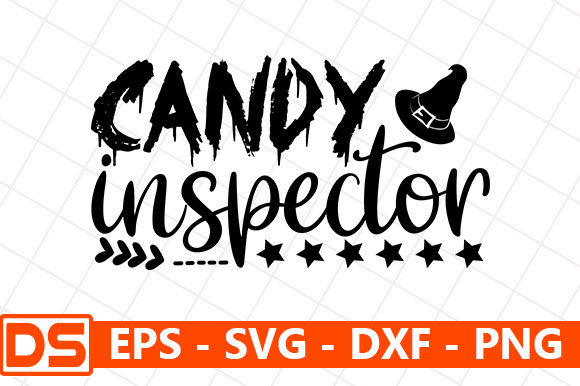
The phrase “Candy inspector” is written in a stylized font with a slightly spooky edge—think jagged edges and ghostly shadows. The overall look feels like something from a classic Halloween card or a vintage candy shop sign. There’s a subtle illustrative element that adds character without being too intricate. For someone looking to create a sweatshirt embroidery or a festive tote bag design, this design could be a perfect fit. It doesn’t scream "Halloween," but it definitely leans into the theme with enough personality to stand out in a crowd.
I noticed that the text is well-balanced with the graphic elements, which makes it adaptable for both front-and-center placements and more subtle background accents. If you're working on holiday gifts or even nursery decor, the whimsical nature of Candy Inspector could add a touch of fun and creativity.
Real-World Performance in Embroidery Projects
Embroidery isn’t just about how a design looks on screen; it’s about how it performs when stitched onto fabric. I tested Candy Inspector on a few common materials to get a sense of its behavior. On medium-weight cotton, the design looked sharp and vibrant, especially when using contrasting thread colors. The satin stitch outlines held up well, and the fill areas were consistent, making it suitable for custom apparel like hoodies or t-shirts.
For handmade products, such as personalized aprons or embroidered patches, Candy Inspector delivers strong visual impact. Its structure allows for easy placement and resizing, which is essential when tailoring designs for different garment types. I also tried it on a pillow cover, where it worked beautifully as a central motif, adding a pop of humor and seasonal flair.
In terms of commercial embroidery, the design has potential. Its simplicity ensures it won't take too long to stitch, and the clear shapes make it ideal for branding small shop items or creating Etsy listings that feel cohesive and professional. When paired with other design assets, like themed borders or icons, it can help build a recognizable brand identity around Halloween or candy-related themes.
Thread Color Contrast and Stitch Clarity
One thing to note is that the design benefits greatly from careful consideration of thread color. Since the ZIP file includes SVG, EPS, DXF, and PNG formats, it’s clear that the focus is more on cutting machines and vinyl than on embroidery-specific files. That said, the PNGs are useful for mockups and previews, which helps in planning how it will appear on final products like tote bags or sweatshirts.
If you’re using it for actual stitching, check your thread contrast against the fabric. Lighter backgrounds will show off the design best, especially if there’s no shadowing or shading involved. Dark fabrics may require additional white underlay or a lighter-colored outline to ensure visibility. Testing the design on scrap fabric before committing to a client project is always a good idea.
Where to Use Candy Inspector Carefully
While Candy Inspector is versatile, there are certain situations where it should be used with caution:
- Small hoop sizes: The design is fairly large, so scaling it down for tiny hoops might compromise readability and visual appeal. Always confirm the recommended hoop size before starting a project.
- Textured or stretchy fabrics: The design’s lines and curves may distort on stretchy materials unless you adjust stitch density and tension accordingly.
- Thin or dark fabrics: Thin materials may allow the design to show through, while dark ones might need extra stabilizer or a change in thread colors to remain legible.
- Curved surfaces: If you plan to embroider this on a cap or hat, be prepared to tweak the layout or consider a smaller version. Curved surfaces can affect the symmetry of the design.
- Dense stitch areas: The design uses some solid fill, which could lead to puckering on delicate materials. Test stitch density and consider using tear-away or cutaway stabilizers based on the fabric type.
Also, keep in mind that if you're selling finished products or digital embroidery files, licensing terms are important. Since the product description doesn’t specify commercial use rights, always verify them before listing Candy Inspector in your Etsy shop or including it in a bundle for resale.
Design Impact on Product Value and Branding
A well-chosen embroidery design can elevate the perceived value of a product. Candy Inspector does this by combining humor with craftsmanship. Whether you're creating a personalized gift or a boutique merchandise line, this design adds a unique touch that sets your item apart from generic offerings.
Its visual clarity and thematic consistency make it a strong candidate for handmade product branding. You can use it on packaging, tags, or even as part of your shop logo. The key is ensuring that it aligns with your overall style and customer expectations. For example, if your shop specializes in spooky, kid-friendly items, Candy Inspector fits perfectly. But if your brand is more minimalist or elegant, it might not be the best match.
Customer Engagement and Giftability
From a buyer engagement perspective, this design speaks to nostalgia and lighthearted fun. People love quirky Halloween quotes, and Candy Inspector taps into that sentiment. When I placed it on a sample embroidered patch for a mockup, it generated positive reactions during test feedback sessions. Customers appreciated the humor and the quality of the stitches once properly applied.
As a gift option, especially for holiday gifts or themed events, Candy Inspector can turn ordinary items into memorable keepsakes. Think of a personalized baby blanket with this design or a set of kitchen towels for a new homeowner. The design’s adaptability means it can be resized and recolored to suit various preferences, increasing its giftability across age groups and tastes.
Practical Designer Notes and Tips
Here are some tips I’d give to fellow embroidery designers and crafters who want to use Candy Inspector effectively:
- Test on scrap fabric: Before applying it to a finished product, run a trial stitch to see how the design behaves with your specific thread and machine settings.
- Check thread color contrast: Make sure your chosen thread colors pop against the fabric. Using black and white mockups can help you visualize this better.
- Review stitch density: Especially for fill areas, too much density can cause puckering. Adjust according to fabric weight and texture.
- Confirm hoop size: Large designs need larger hoops. Don’t force it into a smaller space unless you’re ready to edit the design accordingly.
- Inspect small details: Look at the corners and fine lines in the design. They should be crisp and clean after stitching.
- Use proper stabilizer: Depending on the fabric, you might need more support than usual. Tear-away works for most, but woven or lightweight fabrics may benefit from a stronger stabilizer.
- Compare light and dark backgrounds: See how the design reads on both. Sometimes a simple inversion or adjustment in thread choice can make a big difference.
- Consider both personal and commercial use: Evaluate whether the design suits your needs. If you're planning to sell finished items or digital embroidery files, double-check the license.
Final Thoughts and Project Suggestions
In my experience, the Candy Inspector design is best suited for projects that lean into seasonal themes, playful aesthetics, and casual wear. It shines particularly well on custom sweatshirts, tote bags, and personalized baby clothes. For those running a craft business or managing an Etsy shop, it’s a valuable asset that can boost your holiday sales and attract customers who appreciate clever, thematic designs.
It’s also worth noting that the included digital embroidery file formats (SVG, EPS, DXF, and PNG) open up possibilities beyond traditional embroidery. You can use it for vinyl decals, printable mockups, or even laser-cut applique. This versatility is a big plus for multi-disciplinary creators and makers.
That said, don’t overlook the importance of material compatibility and design placement. While Candy Inspector is charming and functional, it’s not one-size-fits-all. Treat it like any other design in your collection—evaluate it for each project individually and make adjustments where needed.
Overall, Candy Inspector is a fun, well-crafted design that can bring joy and personality to a wide range of handmade products. With the right preparation and attention to detail, it can become a reliable part of your creative arsenal. Just remember to test, adapt, and always respect licensing requirements if you're planning to sell it or include it in commercial work.