Even Superheroes Like to Read: A Designer’s Review
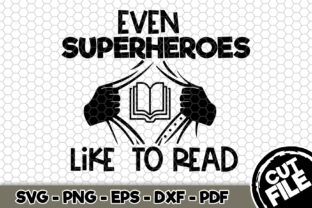
As a designer who spends half my life staring at stitch charts and the other half trying to sell what I make, I have learned that not every cute phrase translates well into thread. There is a specific kind of anxiety when you import a new file into your machine software, hit "zoom," and wonder if those tiny curves will actually look like words or just a blurry mess on fabric. That is exactly where I was when I pulled up Even Superheroes Like to Read. This graphic, categorized under Crafts and Graphics, promises a blend of pop culture nostalgia and literary appreciation. But does it hold up in real-world embroidery?
I decided to put this design through its paces, not just as a digital preview, but by thinking through how it would perform on actual merchandise. Whether you are an Etsy seller looking for your next bestseller, a boutique owner curating gift sets, or a hobbyist making a personalized gift, the difference between a good digital image and a successful embroidered product comes down to execution. Here is my honest take on how Even Superheroes Like to Read handles the transition from screen to hoop.
The First Impression: Mood and Visual Personality
When you first look at the vector or raster version of this design, the mood is immediately clear: it is playful, inviting, and slightly nostalgic. The phrase itself taps into a universal truth—everyone loves a hero, and everyone needs a break with a good book. For a machine embroidery design, this works because it bridges two massive audiences: comic book fans and bibliophiles. It doesn’t feel overly niche, which is crucial for a small shop product that needs broad appeal.
Visually, the layout relies on strong typography and likely some illustrative elements surrounding the text. In my experience, designs that balance text with simple iconography (like a cape, a book, or a classic superhero emblem) tend to stitch out cleaner than text-only files. The visual personality here suggests a project that is meant to be worn with pride but also comfort. It feels less like a formal statement and more like a cozy declaration of identity. This makes it perfect for custom apparel where the wearer wants to express their hobbies without being too loud or aggressive.
Real-World Application: Where Does This Design Shine?
I spent some time mentally mapping out where this design would fit best in a production line. My immediate thought was tote bag design applications. A canvas tote with this quote stitched in bold, colorful threads is an instant conversation starter. It fits the "book lover" aesthetic perfectly, especially if paired with earthy tones or primary colors. However, I see even stronger potential in sweatshirt embroidery.
Imagine a heather gray or soft pink crewneck sweatshirt with this design centered on the chest or placed on the back. The contrast between the casual fabric and the structured embroidery elevates the perceived value of the item. It transforms a basic garment into a personalized gift that feels thoughtful and curated. This is particularly effective for holiday seasons, where buyers are scrambling for unique gifts for teachers, librarians, or anyone who identifies as a "nerd" in the best possible way.
Beyond apparel, this design has serious potential for nursery decor and baby items. The concept of "superheroes" resonates with parents who want to encourage reading in their children. An embroidered onesie or a blanket with this theme adds a layer of warmth and intentionality. It turns a standard baby embroidery piece into a keepsake. For craft fairs, these items fly off the table because they hit the emotional sweet spot of protection (superhero) and education (reading).
Technical Considerations and Stitch Performance
Here is where we need to get practical. As an experienced reviewer, I cannot recommend a design without discussing its technical limitations. When evaluating any embroidery file, you must consider the stitch density and the complexity of the shapes. If Even Superheroes Like to Read features intricate linework or very small lettering, it may struggle on certain fabrics.
Satin stitch quality is paramount for text. If the letters are thin, the stitches might overlap or look jagged. I always advise testing the design on scrap fabric first to check how the stitch density holds up. If the design uses a lot of fill stitch for background elements, ensure your stabilizer can handle the weight. On stretchy fabrics like jersey knits, a dense fill can cause puckering unless you use a high-quality cut-away stabilizer. Conversely, on woven cottons, a tear-away might suffice, but you risk pulling the fabric if you aren't careful.
Another critical factor is thread colors. The success of this design depends heavily on contrast. If you are stitching light text on a dark hoodie, you need bright, saturated threads. If the design includes fine details, dark backgrounds can swallow them up. I recommend creating a black-and-white mockup to test readability before committing to expensive thread. Also, consider the hoop size; if the design is large, ensure your machine can accommodate it without needing re-hooping, which often leads to misalignment.
Where to Be Cautious
There are specific scenarios where this design might fail. Avoid using it on highly textured fabrics like terry cloth or heavy denim unless you are using a substantial stabilizer and perhaps an appliqué base. Thin fabrics are risky; the tension required for clear stitching can distort lightweight materials. Additionally, curved surfaces like baseball caps require careful digitizing to ensure the text doesn’t warp. If the design includes tiny decorative accents or detailed corners, inspect them closely. Tiny details often get lost in the stitching process, turning into indistinguishable blobs. If clarity is your goal, simplify the design or increase the scale.
Impact on Brand and Customer Trust
For the Etsy seller or craft business owner, the presentation of your work speaks volumes about your professionalism. A clean, well-executed Even Superheroes Like to Read design signals attention to detail. Customers can tell the difference between a rushed job and one that was planned carefully. When the edges are crisp, the colors pop, and the alignment is perfect, buyer engagement increases. People trust makers who deliver consistent quality.
This design also enhances brand consistency. If your shop focuses on literary themes, comic art, or personalized gifts, this piece fits seamlessly into your catalog. It allows you to create cohesive collections—matching totes with shirts, or pillows with aprons. This cross-selling opportunity is vital for increasing average order value. Furthermore, the "giftability" of the item is high. It is an easy sell for birthdays, graduations, or "just because" gifts, which drives sales volume during slower periods.
Practical Designer Notes for Success
To ensure your finished product looks as good as the digital preview, follow these steps:
- Test on Scrap Fabric: Never go straight to the final product. Use the same fabric and stabilizer combination you plan to sell with.
- Check Contrast: Verify that your thread choices provide enough contrast against the fabric color. Light-on-light or dark-on-dark can kill the design's impact.
- Review Stitch Density: Ensure the design isn’t too dense for the fabric type. Too much thread can cause bubbling; too little can look sparse.
- Inspect Small Details: Zoom in on the digital file. Are there lines so thin they won’t stitch? Simplify if necessary.
- Confirm Licensing: Before selling commercial embroidery products or digital embroidery files, double-check the license terms. Some graphics allow personal use only, while others permit commercial resale. Protect your business by verifying these rights.
- Use Proper Stabilizer: Match your stabilizer to your fabric weight. This is the secret weapon of professional-looking embroidery.
In conclusion, Even Superheroes Like to Read is a versatile, emotionally resonant design that has strong potential in the handmade market. It works beautifully for handmade products that celebrate individuality and love for stories. By paying attention to the technical details—hoop size, fabric choice, and thread selection—you can turn this graphic into a profitable, professional-grade asset for your creative enterprise. Just remember to test thoroughly and respect licensing agreements. Happy stitching!