I Love You to the Lake and Back: A Designer’s Honest Review
As an experienced embroidery designer and product reviewer, I’m always looking for designs that not only look good in a preview but also translate well into real-world stitched projects. When I first saw I Love You to the Lake and Back, it immediately caught my eye with its soft, romantic tone and clean layout. This isn’t just another generic love quote—it feels personal, thoughtful, and like it could easily become a treasured part of any handmade or custom project.
First Impressions and Design Personality
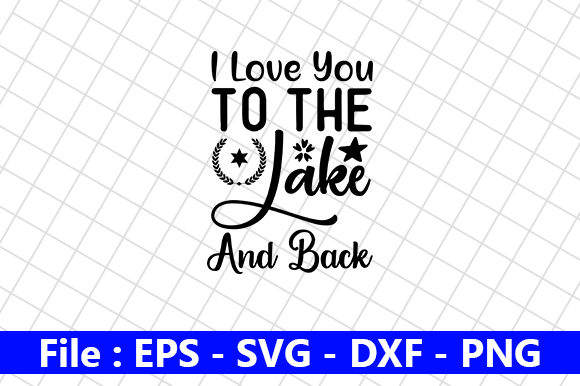
The phrase “I love you to the lake and back” brings a sense of warmth and nostalgia, reminiscent of outdoor adventures and cozy weekends by the water. The design’s layout is balanced, with the text centered and slightly stylized lettering that gives it a handwritten charm without being too loose or hard to read. It doesn’t scream for attention, which makes it ideal for more subtle, elegant applications.
What stands out is how versatile this machine embroidery design feels. Whether you're creating a personalized sweatshirt for a client or designing a tote bag for your Etsy shop, the visual personality of this graphic adds a touch of sincerity and simplicity. It works particularly well as an applique design when paired with a contrasting fabric base, or as a satin-stitched phrase on lighter-colored apparel.
Real-Life Scenario: Embroidering a Tote Bag
To test I Love You to the Lake and Back, I used it on a custom cotton canvas tote bag—a popular item among crafters and small business owners. The stitching came out smooth and consistent, especially when using a mid-weight stabilizer beneath the fabric. The letters held their shape well, and the spacing between words allowed for breathing room, preventing the design from feeling cramped.
I layered the design with a simple fill stitch underneath and added a running stitch border to give it definition. The result was a warm, inviting look that felt right at home on a casual, everyday item. Customers would likely appreciate the gentle sentiment and the clean presentation—perfect for a lakeside gift or a heartfelt present for someone special.
Performance in Different Embroidery Projects
This design shines in several types of embroidery projects:
- Sweatshirts and t-shirts: The soft curves of the font work well with knit fabrics, especially if you use a light satin stitch to avoid puckering.
- Tote bags: Its size and structure make it suitable for larger hoop areas, where it can be scaled up for impact without losing clarity.
- Baby clothes and nursery decor: The non-threatening, affectionate message pairs beautifully with pastel tones and delicate thread choices.
- Embroidered patches: When converted into a patch format, the design maintains its charm and readability, making it a great option for adding a sentimental touch to jackets or backpacks.
- Pillow covers and tea towels: These items benefit from the design’s simplicity and elegance. The text remains legible even after multiple washes if stitched properly.
- Holiday gifts and wedding favors: As a customizable element, it adds a personal note to cards, ornaments, or even mini aprons.
For commercial embroidery, the design holds up well in branding scenarios. If you're creating merchandise for a boutique or small shop, this graphic can help establish a warm, approachable brand identity. It's also useful for digital product sellers who offer printable mockups or previews of embroidered goods—they’ll find it easy to integrate into templates and show realistic results.
Where Caution Is Needed
While I Love You to the Lake and Back is adaptable, there are some situations where extra care is necessary:
- Small hoop sizes: The design has enough detail that shrinking it too much may cause some elements to lose their integrity. Always test scaling before finalizing.
- Textured or stretchy fabrics: On materials like flannel or spandex blends, the stitch lines might distort. Consider adjusting tension or using a finer needle.
- Thin or dark fabrics: Thin material can allow stitches to show through, while dark backgrounds might require bold thread colors to maintain visibility. Test thread contrast carefully.
- Curved surfaces (e.g., caps): The flat nature of the design may not adapt well to curved shapes unless you break it into smaller segments or adjust the placement.
- Dense stitch areas: If you're layering other elements around the design, be mindful of stitch density overlap, which can lead to bulkiness or unevenness.
It’s also worth noting that while the design includes SVG, DXF, PNG, and EPS files, the actual stitch file formats aren't listed. So if you're working with specific embroidery machines, check compatibility before purchasing. Similarly, ensure you have the correct licensing terms in place if you plan to use this for digital embroidery files intended for resale or commercial use.
Visual Appeal and Customer Engagement
In terms of visual appeal, this design scores high. It’s not over-the-top or garish; instead, it offers a quiet confidence that complements many styles. When stitched onto a white sweatshirt, the message reads clearly and feels handcrafted. In a darker background, it still retains its charm if you choose the right thread colors.
Customers seem to respond positively to designs that feel authentic and heartfelt. I Love You to the Lake and Back does exactly that—it’s perfect for personalized gifts and handmade products that aim to tell a story. Whether it's a baby blanket or a holiday ornament, the design elevates the product value and encourages emotional connection.
Designer Notes and Best Practices
Before committing to a full production run or client project, here are some practical steps I recommend:
- Test on scrap fabric: Especially if you're using a new thread color or fabric type. This helps avoid surprises later.
- Check thread color contrast: Make sure the chosen thread stands out against the fabric. Use black thread on white fabric as a baseline test.
- Review stitch density: Dense areas can cause distortion or puckering. Adjust settings as needed for your machine and fabric.
- Confirm hoop size: While not specified, you should determine the optimal hoop dimensions based on your project needs.
- Inspect small details: Ensure all letters and decorative elements stitch cleanly and don’t get lost in scale reduction.
- Use proper stabilizer: Cotton canvas or linen requires tear-away or cut-away stabilizers depending on the thickness and movement of the fabric.
- Test in black and white: This will reveal how the design performs in monochrome, which is often essential for certain markets or customer preferences.
- Compare light and dark fabric backgrounds: See how the design adapts visually across different materials.
- Verify licensing: Before selling finished items or digital assets, confirm whether the design allows for commercial use and resell rights.
Fit for Crafts and Graphics?
Yes, I Love You to the Lake and Back fits naturally within the crafts and graphics categories. Its digital versatility allows it to be used in scrapbooking, cut machine projects, and as a design asset in various printables. For embroidery designers and creative entrepreneurs, this means it can serve both as a standalone machine embroidery design and as a supporting element in broader creative kits or bundles.
Final Thoughts and Application Tips
If you’re looking for a design that brings a bit of heart to your custom apparel, handmade products, or small shop merchandise, then I Love You to the Lake and Back is a solid choice. It’s a design that feels like it belongs on a cozy sweatshirt or a rustic wooden sign, yet it can easily transition into modern, minimalist fashion pieces.
Its brand consistency potential is strong. Whether you're building a line of sweatshirt embroidery or preparing holiday gifts, this design helps create a recognizable and relatable aesthetic. And for Etsy sellers and digital product creators, including it in your design assets can boost buyer engagement and perceived professionalism.
But remember, no design is one-size-fits-all. Take time to evaluate how it looks on your preferred materials, adjust for fabric texture and color, and always do a trial stitch. That way, you can ensure the final finished product meets your standards—and your customers’ expectations.