Surviving Homeschool One Lesson at a Time Embroidery Design Review
As an experienced embroidery designer and product reviewer, I often find myself evaluating digital embroidery files for both personal use and commercial viability. When I first opened the Surviving Homeschool One Lesson at a Time design, it immediately struck me as something with heart — a perfect blend of sentiment and style that could work well in many real-world projects. This isn't just another quote-based design; it has a distinct visual personality that speaks to the modern homeschooling mom while maintaining enough flexibility for creative reinterpretation.
A First Look: Mood and Visual Appeal
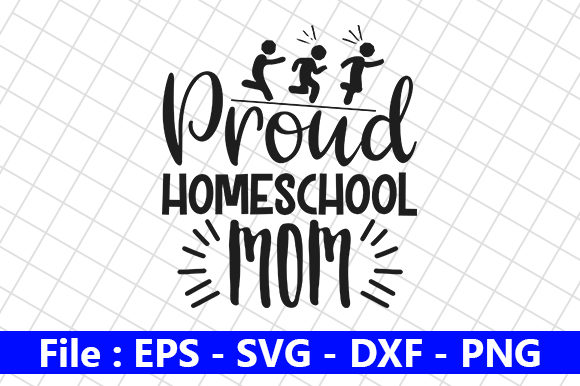
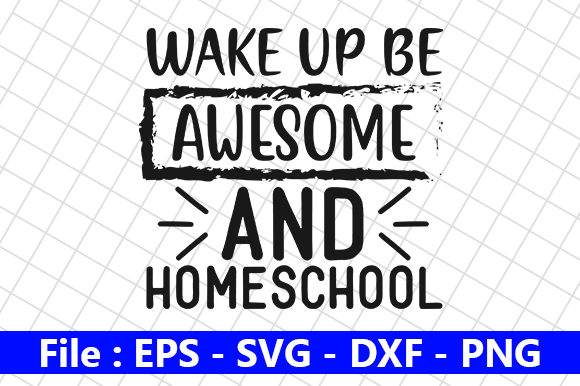
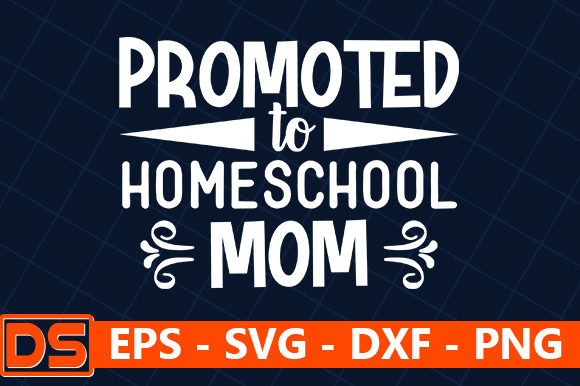
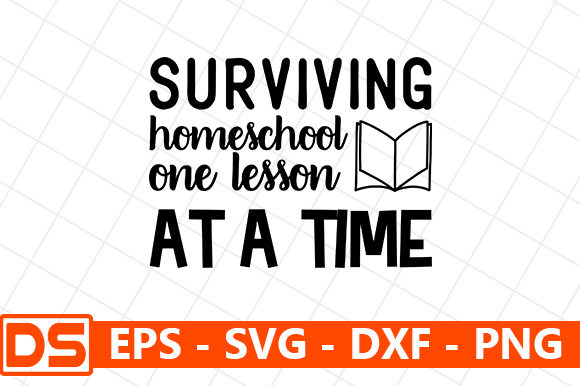
The Homeschool Mom quote Design, titled “Surviving Homeschool One Lesson at a Time,” is a hand-lettered phrase that exudes warmth and relatability. The layout is clean but not sterile, with soft curves and subtle flourishes that give it a handmade feel. It’s designed to be read easily from a distance, which is important for anything you’ll stitch onto clothing or accessories. The font choice suggests a casual, conversational tone — ideal for personalized gifts or apparel meant to resonate emotionally with the recipient.
While the design is primarily intended for scrapbooking (as per the provided description), its adaptability makes it suitable for machine embroidery across a variety of formats, including applique designs and embroidered patches. As a graphics-based file set, it supports multiple uses beyond fabric, such as printable mockups for digital product sellers. That said, if you're planning to embroider this on textiles, you’ll want to pay attention to how the text translates into stitches.
Real-World Application: A Tote Bag Scenario
To test how the Surviving Homeschool One Lesson at a Time design might look in practice, I imagined using it for a custom embroidered tote bag aimed at moms who are juggling schoolwork and life. The design’s friendly vibe fits beautifully with the practicality of a reusable bag. However, I noted that the detail level and spacing between letters could influence how it looks once stitched. On a medium-weight cotton canvas, the satin-stitched text would stand out clearly, especially if paired with a solid-colored background.
For those selling similar items on Etsy or at craft fairs, the design's emotional resonance can significantly boost buyer engagement. It’s a message that many parents will recognize and appreciate, making it a strong contender for small shop products or boutique branding efforts. Just be sure to consider your target audience when selecting thread colors and placement.
Performance in Different Embroidery Projects
This design shines in several contexts:
- Custom Apparel: Sweatshirts and t-shirts benefit from the bold, legible lettering. Choose a high-contrast thread color against the fabric to ensure readability after repeated washes.
- Tote Bag Design: The flat, linear nature of the design works well on structured materials like canvas or denim. Avoid stretchy or thin fabrics where the stitching may distort or tear.
- Baby Embroidery: While the phrase itself may not be ideal for baby clothes due to its adult-oriented sentiment, it could be reimagined as part of a larger nursery decor piece or embroidered pillow cover.
- Patches and Applique Designs: The design is compact enough for patch applications but requires careful attention to stitch density and stabilizer usage to maintain crisp edges.
- Home Décor: Pillow covers, tea towels, or kitchen linens become more meaningful when adorned with this heartfelt message. Use a light background fabric to let the embroidery pop.
- Commercial Embroidery: If you're an Etsy seller or part of a small business, this design can elevate your handmade product line. Its versatility allows for both monochrome and colorful executions depending on your brand aesthetic.
Where to Use with Caution
Though the Surviving Homeschool One Lesson at a Time design is visually appealing, there are certain scenarios where it may require adjustments before committing to a finished product:
- Small Hoop Sizes: The length of the quote may exceed standard hoop dimensions. Confirm the required hoop size before starting any project.
- Textured or Stretchy Fabrics: These can cause distortion in the satin-stitched areas, particularly around detailed corners or tight curves. Test on a scrap first.
- Dark Fabric Backgrounds: The default thread colors may lack contrast. Consider converting the design to black or a lighter shade for better visibility.
- Products Subject to Frequent Washing: Dense stitch areas or running stitch outlines may fade over time unless quality threads and proper stabilizers are used.
- Curved Surfaces Like Caps: Lettering needs to be adjusted for curvature. The design as-is may not wrap smoothly without manual tweaking.
Design Impact on Product Value and Customer Trust
When integrated into a handmade product, this design adds a layer of emotional storytelling that customers respond to. It elevates the value of items like sweatshirt embroidery or holiday gifts by aligning them with a lifestyle or community. For craft business owners, this kind of sentiment-driven content can build customer trust and loyalty, especially if you market it as a personalized gift option.
Visually, the design enhances the giftability of your items. It's versatile enough to appear professional yet intimate enough to feel like a personal touch. Whether used in a commercial embroidery setting or for a one-of-a-kind creation, it maintains a consistent look that can support brand consistency across your product line.
Practical Designer Notes
Before incorporating the Surviving Homeschool One Lesson at a Time design into your next project, here are some key considerations:
- Test on Scrap Fabric: Always run a trial stitch to see how the fill stitch and satin stitch interact with your chosen material.
- Check Thread Color Contrast: Especially if you plan to stitch on dark fabric. A black and white mockup can help you visualize this before purchasing threads.
- Review Stitch Density: Overly dense stitching can pucker on delicate fabrics. Adjust accordingly based on what you’re embroidering.
- Confirm Hoop Size Requirements: Since the exact hoop size isn’t specified, make sure your machine setup can accommodate the design’s width and height.
- Inspect Small Details: Tiny lettering or intricate flourishes may not hold up on stretchy or thin materials. Simplify if necessary.
- Use Proper Stabilizer: Especially for woven or knitted fabrics. A cutaway or tear-away stabilizer can prevent distortion during the embroidery process.
- Verify Licensing Before Selling: Since this is a digital embroidery file intended for scrapbooking, always double-check the license to ensure it’s approved for use in commercial products or digital downloads.
Final Thoughts on Project Viability
In summary, the Surviving Homeschool One Lesson at a Time design is a valuable addition to any embroidery designer's collection, especially for those targeting niche markets like homeschooling families or lifestyle-focused crafters. Its clear message, adaptable layout, and warm tone make it suitable for a wide range of embroidery projects, from tote bags and aprons to decorative home goods.
However, success with this design hinges on thoughtful preparation. Understanding how each stitch type interacts with different fabrics and considering the long-term durability of the final product is essential. Whether you're creating a personalized gift or expanding your design assets for a craft business, taking these steps ensures your finished product looks great and lasts even longer.
Embroidery is as much about the details as it is about the message. With the right care and consideration, this design can bring both artistry and authenticity to your next project.